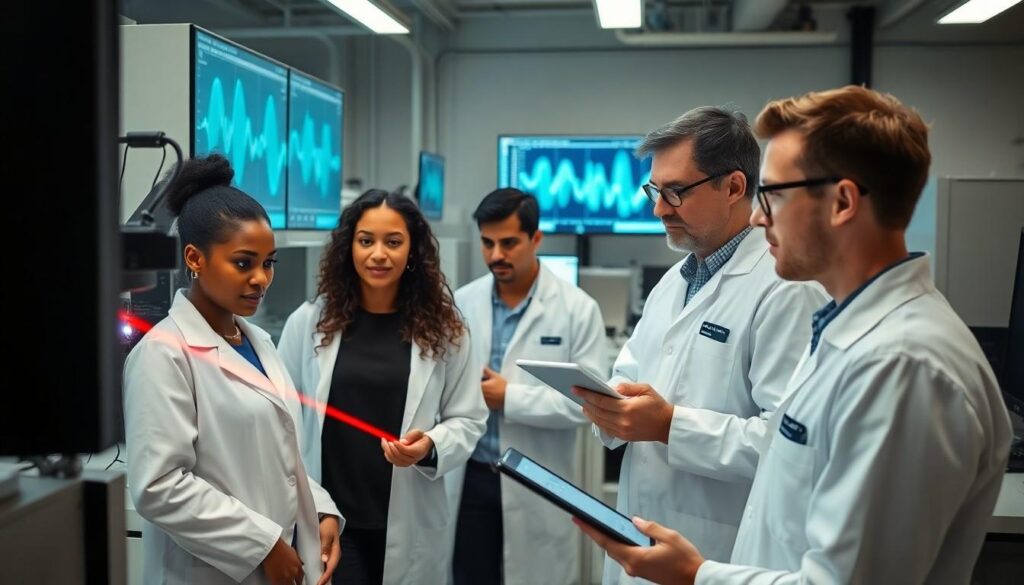
Wave tech is making waves—pun totally intended—in the world of innovation. From surfing the internet to surfing the actual waves, this technology is transforming how we interact with our environment. Imagine harnessing the power of sound waves or light waves to revolutionize everything from communication to healthcare. Sounds a bit like science fiction, right? Well, it’s very much science fact.
Overview of Wave Tech
Wave technology encompasses various applications of sound and light waves in diverse industries. This technology enables advancements in communication, often enhancing data transmission speeds. Healthcare benefits from wave tech through improved diagnostic imaging techniques, which use sound waves for clearer and more accurate results.
Photonics, a branch of wave technology, employs light waves to achieve precise measurements and data processing. Many modern devices, such as lasers and fiber optics, leverage photonics, revolutionizing telecommunications. This sector sees continuous innovation, driven by demand for faster, more efficient technology.
Sound wave applications extend into areas like sonar and ultrasonography. Sonar utilizes sound waves underwater to detect objects and map the seafloor, essential for naval and research purposes. Similarly, ultrasonography employs high-frequency sound waves to visualize internal organs, aiding in medical diagnostics.
In industry, wave technology finds its place in automation and quality control processes. Acoustic sensors assess machine performance by detecting sound patterns, facilitating early maintenance interventions. Moreover, waves play a critical role in wireless technology, powering smartphones and IoT devices, promoting seamless connectivity.
Exploration of wave tech continues to push boundaries in research and innovation. The emergence of terahertz waves opens new possibilities in imaging and sensing applications. As wave technology evolves, it increasingly shapes how individuals interact with their surroundings, driving significant changes across multiple sectors.
Applications of Wave Tech

Wave tech significantly influences various sectors, enhancing how industries operate and improving everyday life.
Industrial Uses
Wave technology enhances industrial processes, facilitating automation and quality control. Acoustic sensors track machine performance, alerting operators to potential issues before escalation. Industrial robotics utilize sound waves for object detection and navigation, optimizing production efficiency. Additionally, laser-based systems support precision manufacturing and material processing, reducing waste and energy consumption. Companies employing wave tech can benefit from improved product quality and operational reliability.
Medical Innovations
In the medical field, wave technology advances diagnostic imaging and treatment techniques. Ultrasonography employs sound waves to visualize internal organs, aiding in accurate diagnoses. Enhanced imaging techniques, such as MRI and CT scans, utilize radio waves and X-rays for detailed body scans. Wave tech also contributes to therapeutic applications like focused ultrasound surgery, enabling non-invasive treatment options. Innovations in biosensing leverage wave technology to monitor vital signs and detect diseases, ultimately improving patient care and health outcomes.
Benefits of Wave Tech
Wave technology enhances efficiency and productivity across multiple sectors. By improving data transmission speeds, it allows for faster communications. Industries utilizing wave tech, such as telecommunications, experience significant reductions in downtime. Enhanced ultrasound systems also streamline diagnostic processes in healthcare, resulting in quicker patient assessments. Such increases in productivity lead to optimized workflows and lower operational costs.
Environmental impact also benefits from wave technology. Energy-efficient systems reduce waste in manufacturing processes. This technology often uses fewer resources compared to traditional methods, contributing to sustainability efforts. In healthcare, non-invasive treatments like focused ultrasound surgery minimize the need for extensive recovery, thus decreasing hospital resource consumption. Additionally, sensors powered by wave technology monitor environmental conditions, facilitating more responsible resource management. Overall, wave tech supports a greener approach to industrial and medical advancements.
Challenges and Limitations
Wave technology faces several challenges that may hinder its broad adoption. Overcoming these obstacles is crucial for its potential in various industries.
Technological Barriers
Technological barriers present significant challenges to the advancement of wave tech. High costs of development and integration can deter businesses from adopting these innovative systems. Furthermore, complexity in manufacturing processes can slow the time from conceptualization to market launch. Limited understanding of guidelines around safety and operational standards in new technologies also poses a risk. As a result, industry players may be hesitant to embrace wave technology without clearer regulations and proven reliability.
Market Acceptance
Market acceptance significantly influences the growth of wave technology. Consumer hesitation stems from unfamiliarity with the technology and skepticism about its effectiveness. Educational programs and awareness campaigns can help bridge this gap by showcasing tangible benefits. Additionally, alignment with existing infrastructure is vital for seamless integration, as organizations often prioritize compatibility over innovation. Addressing these concerns can enhance user confidence and facilitate broader adoption across industries.
Future Trends in Wave Tech
Innovations in wave technology promise significant advancements across multiple sectors. Researchers are exploring terahertz waves, which hold potential for imaging and sensing applications, enhancing how people perceive their environments. The integration of these waves into telecommunications can lead to breakthroughs, particularly in data transmission speeds and communication efficiency.
Emerging applications of wave technology continue to transform healthcare. Enhanced ultrasound systems are streamlining diagnostic processes, enabling quicker patient assessments. Focused ultrasound treatments offer non-invasive alternatives, which enhance patient care and optimize healthcare workflows substantially.
Industrial automation will likely benefit from refined sound wave applications. Acoustic sensors improve machine performance monitoring, allowing for timely interventions and minimizing downtime. Robotics driven by wave tech enhance navigation capabilities, resulting in improved production efficiency and reduced waste.
Sustainability remains a crucial focus as wave technology evolves. Energy-efficient systems minimize resource consumption, particularly in healthcare applications. Environmental sensors powered by wave technology support responsible resource management, contributing to broader sustainability initiatives in various industries.
Market adoption and education will play vital roles in shaping the future of wave tech. Industry stakeholders must address technological barriers and foster a deeper understanding of safety guidelines. Initiatives aimed at increasing consumer awareness can bolster acceptance, driving forward the integration of wave technology into everyday applications.
Wave technology stands at the forefront of innovation with its ability to reshape communication and healthcare. As industries increasingly adopt sound and light wave applications, the potential for enhanced efficiency and productivity becomes evident. This technology not only streamlines processes but also promotes sustainability through energy-efficient systems.
While challenges like high development costs and consumer skepticism exist, addressing these barriers is essential for broader acceptance. Education and awareness initiatives will play a pivotal role in fostering understanding and integration. The future of wave technology is bright and promises to unlock new possibilities across multiple sectors, ultimately transforming how individuals interact with their environment.